12th Edition · December 13–18, 2026
IBIZA International FILM FESTIVAL
"The Independent Spirit"
Scroll
"The Independent Spirit"
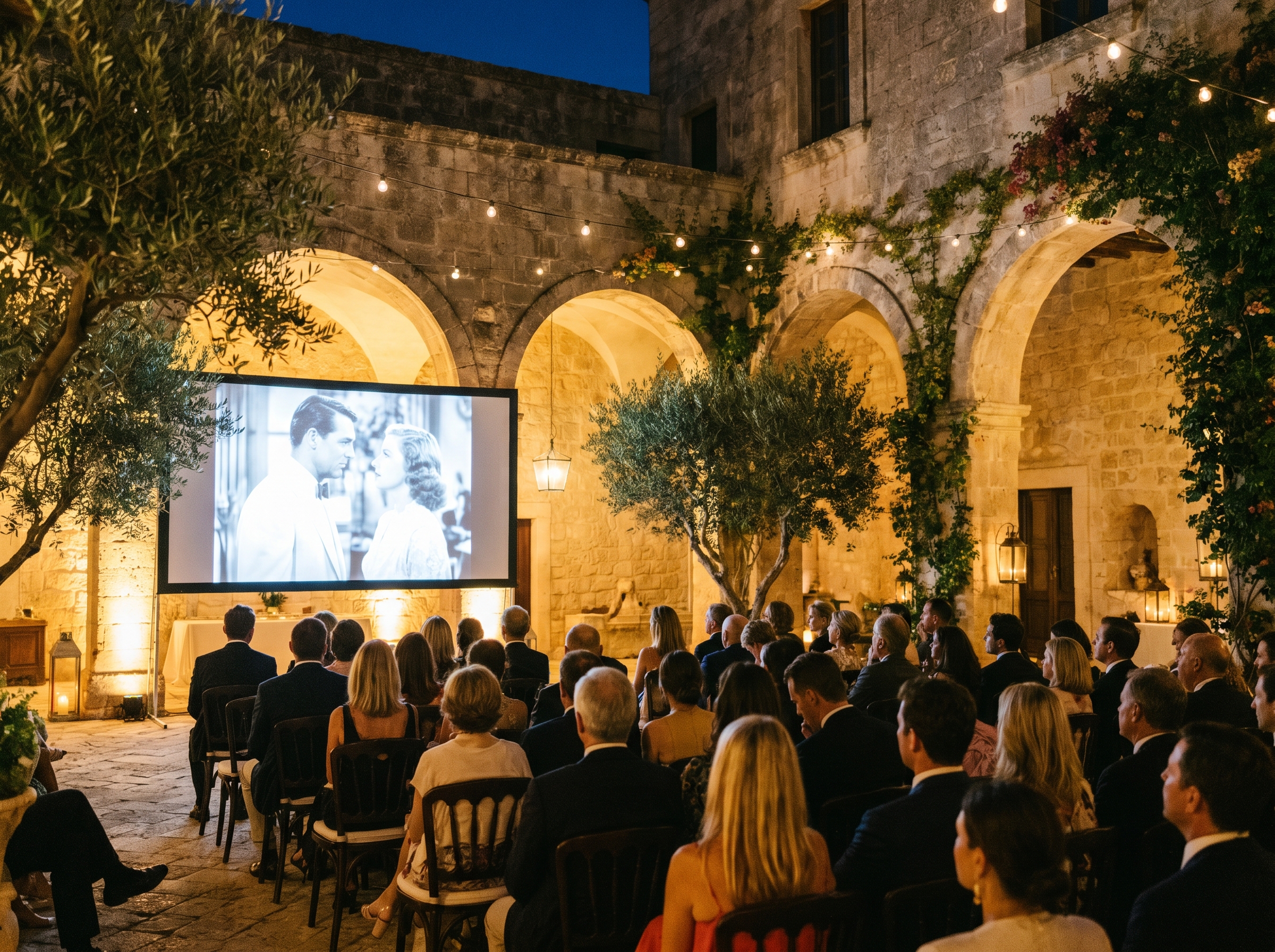
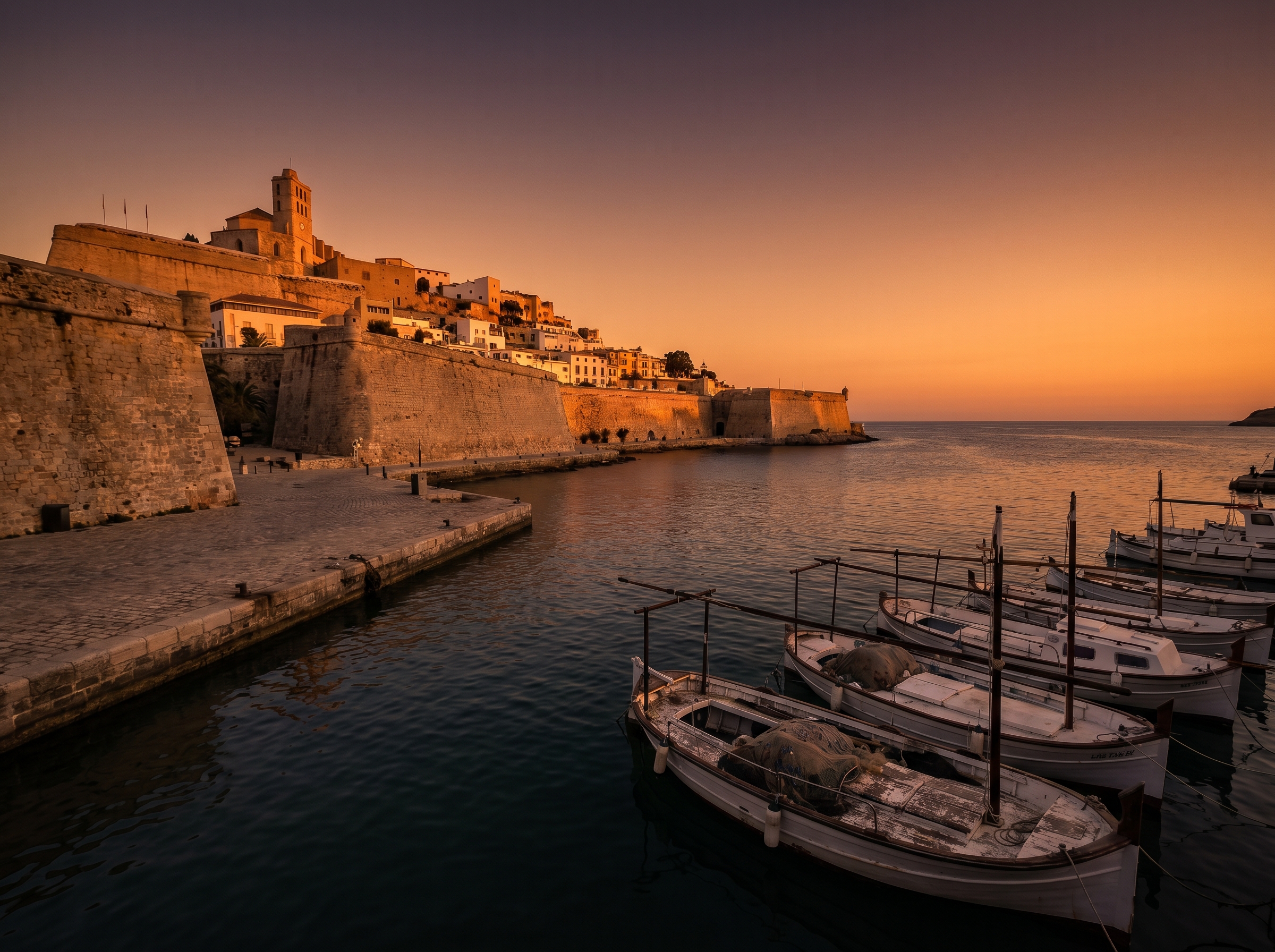
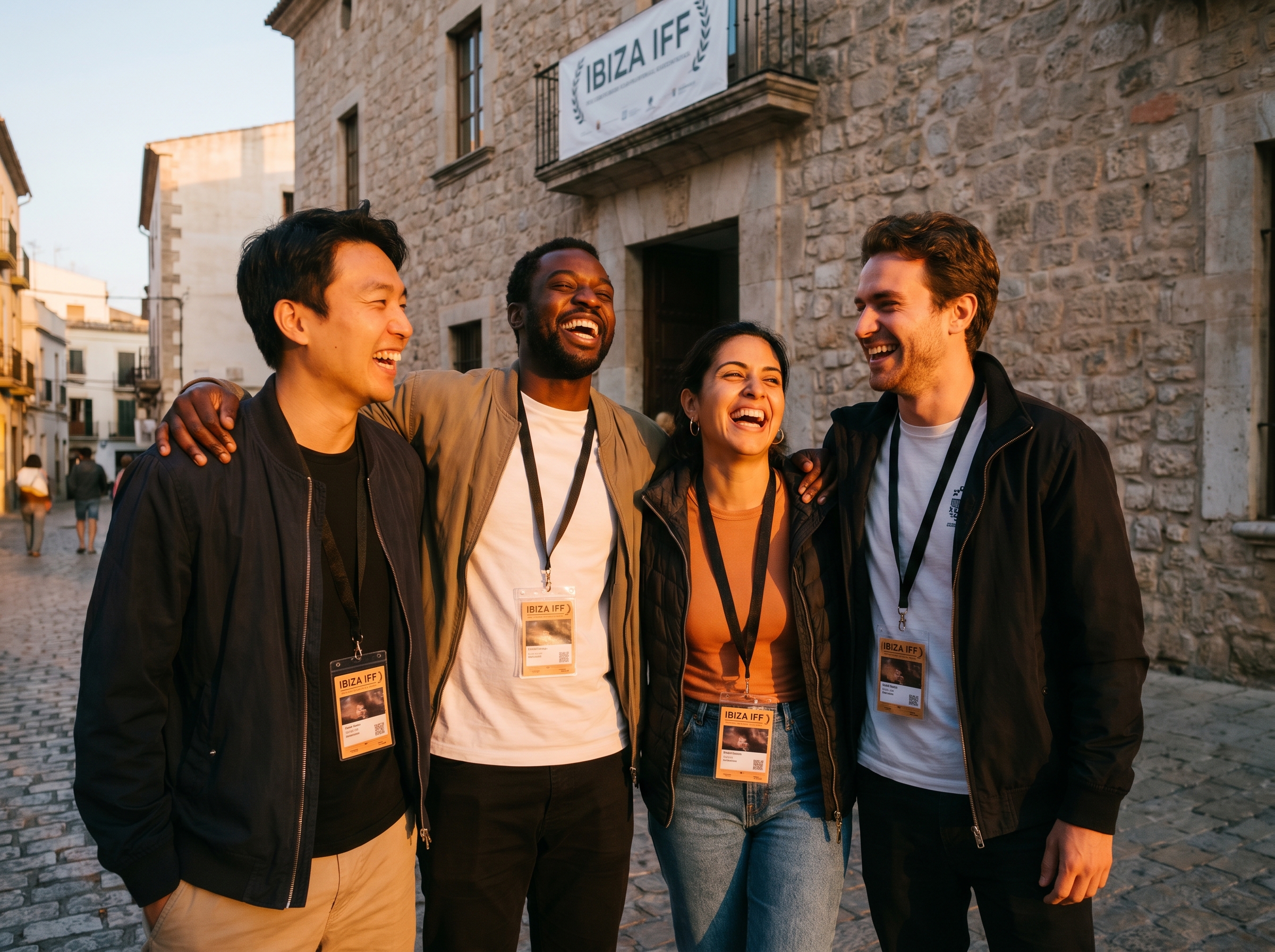
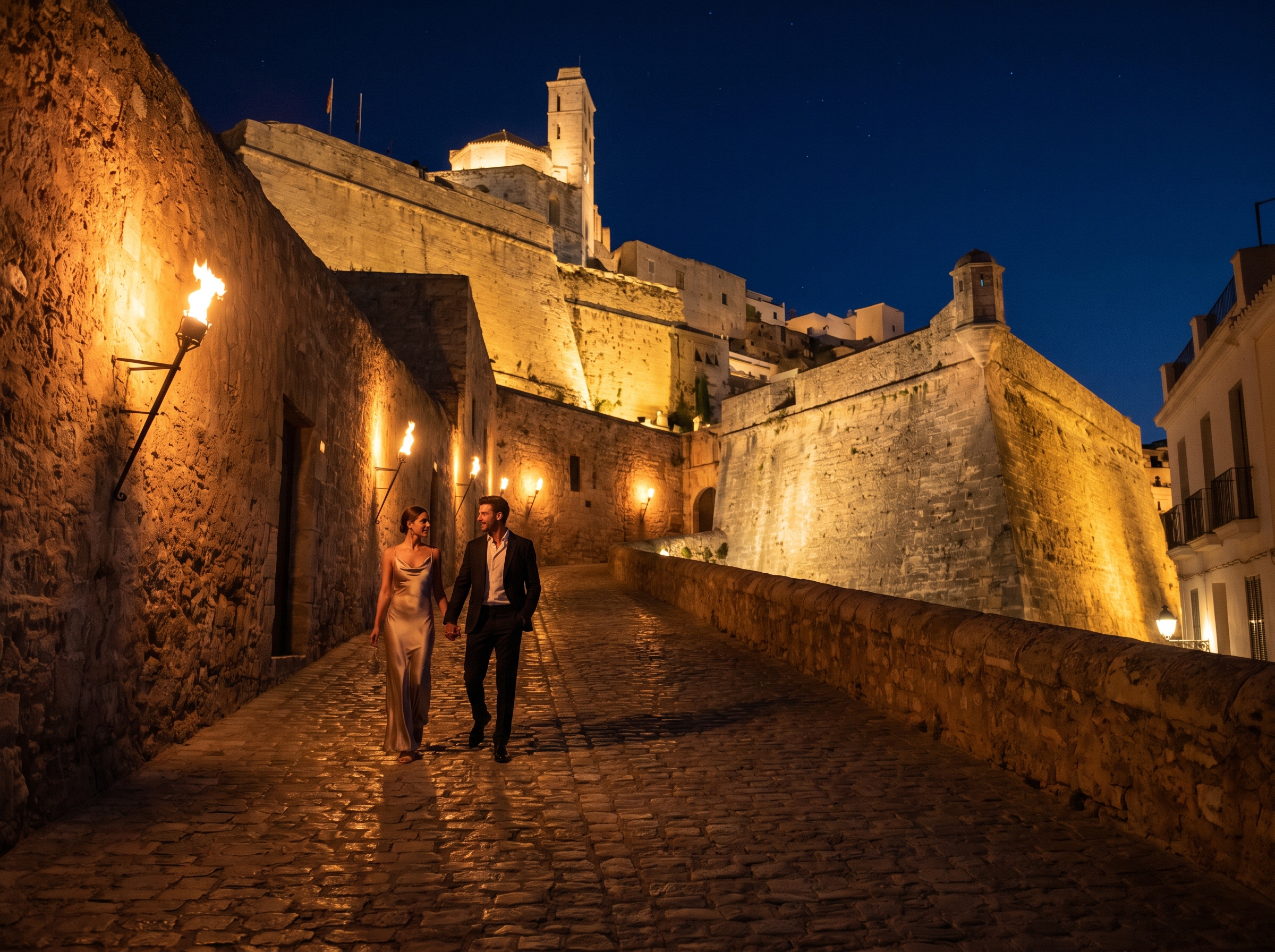
Founded in 2015 by director Oscar Herrero and a group of filmmakers committed to cinema outside the mainstream, the Ibiza International Film Festival was born from a conviction: that the most vital, urgent and authentic stories in world cinema were being made independently, and that they deserved a home befitting their ambition. Ibiza — stripped of its summer excess and luminous in November — offered exactly that.
Over twelve editions, Ibiza IFF has grown into one of Europe's most respected competitive platforms for independent cinema, drawing submissions from over 63 countries and screening work from filmmakers who might otherwise struggle to find an international audience. The festival's Falcó d'Or — named after Eleonora's falcon, the rare raptor that nests on the limestone cliffs of Ibiza and Formentera — has become a mark of genuine artistic distinction. Its namesake, the great Maria Eleonora d'Arborea, was a Sardinian ruler who enacted Europe's first environmental law, protecting the very falcon that bears her name. The award carries that same weight: a recognition of independent vision in a world of conformity.
Beyond competition, the festival's Ibiza Pitch development lab provides emerging producers with direct access to distributors, broadcasters and co-production partners. Equal opportunity is not merely a slogan here — it is the foundation upon which every programme decision is made. A debut feature from Burkina Faso competes on the same stage as a documentary from Norway, judged solely by the quality of its storytelling and the honesty of its vision.
Submissions for the 12th Edition are now open. Below is a selection from our most recently completed edition.
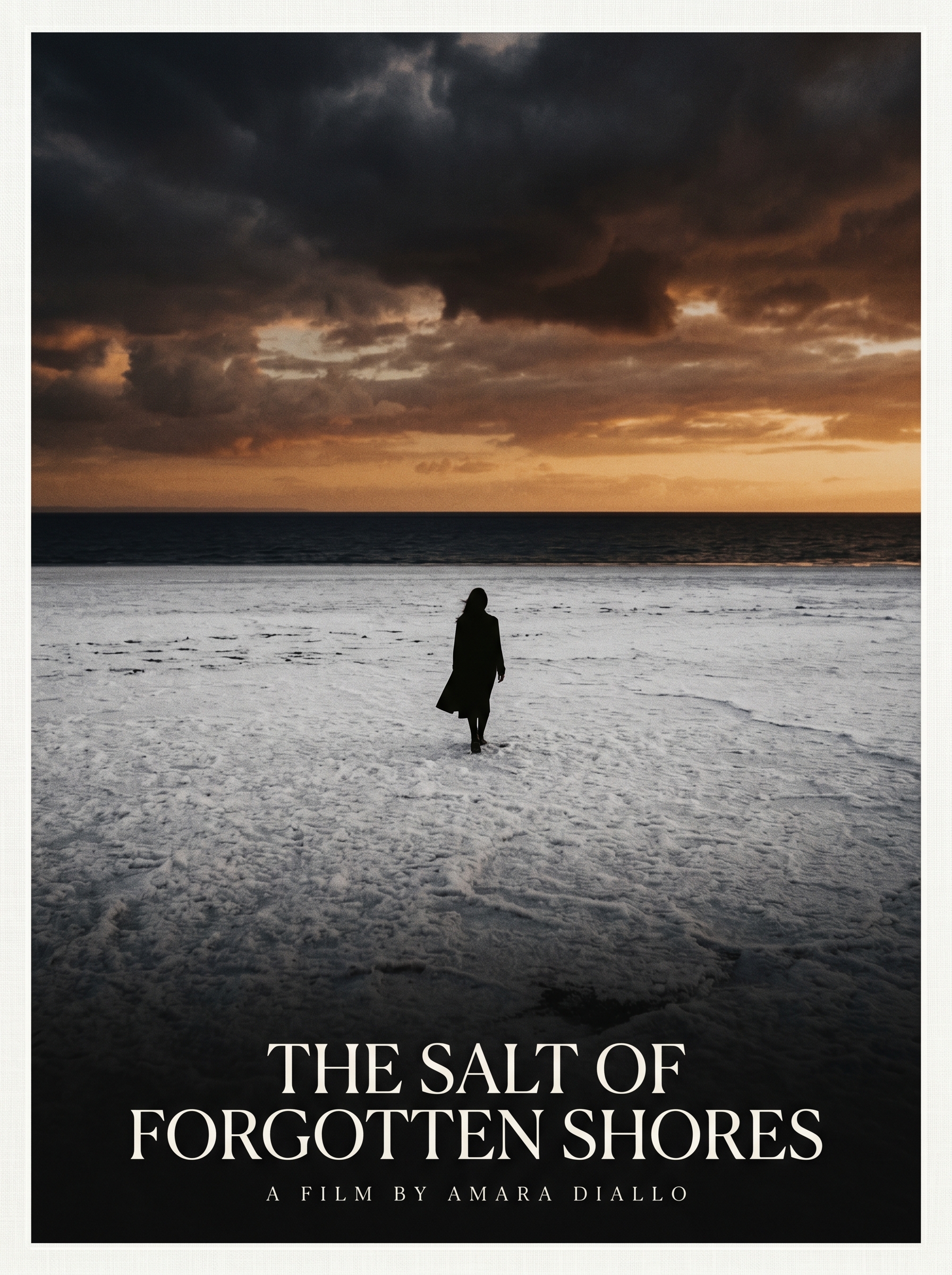
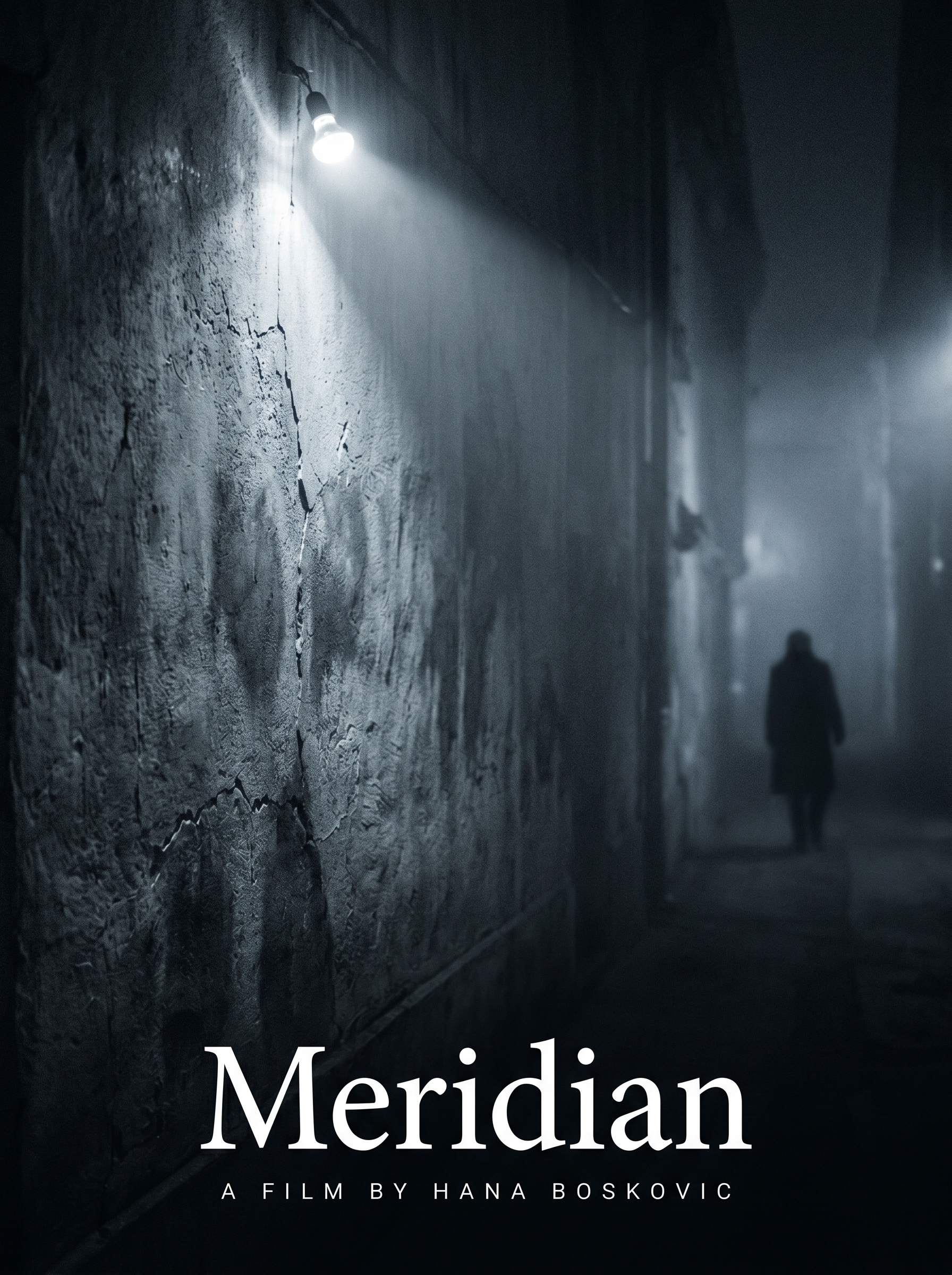

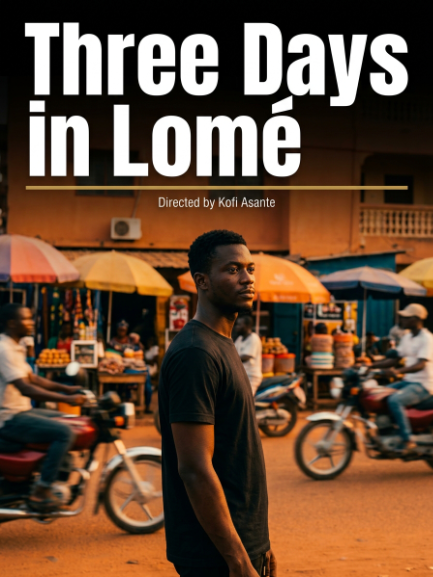
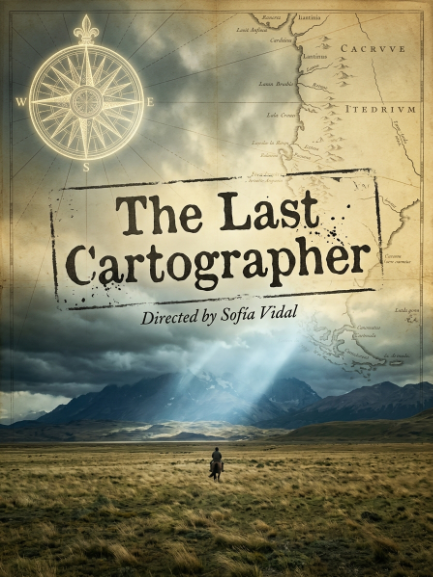
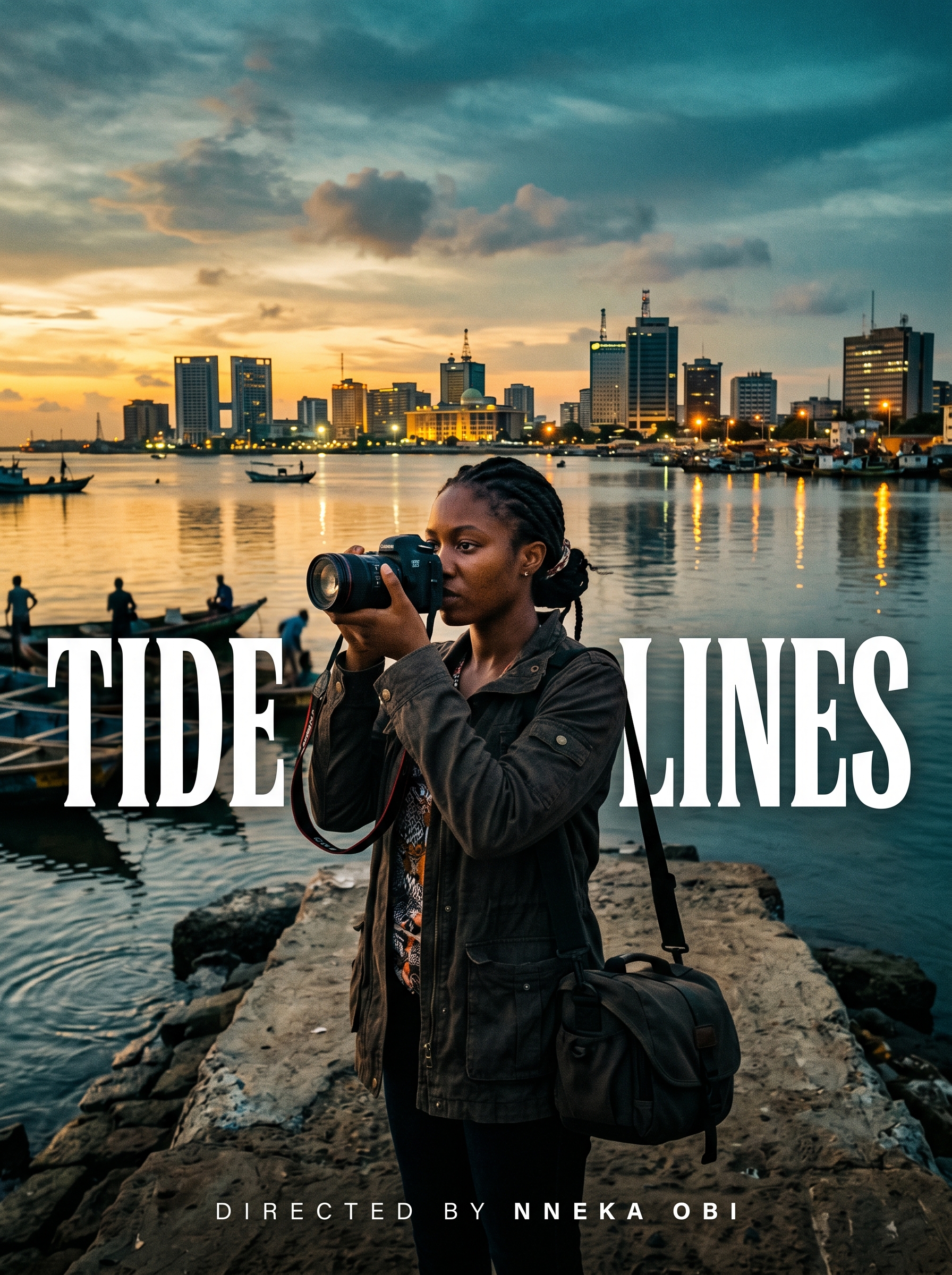
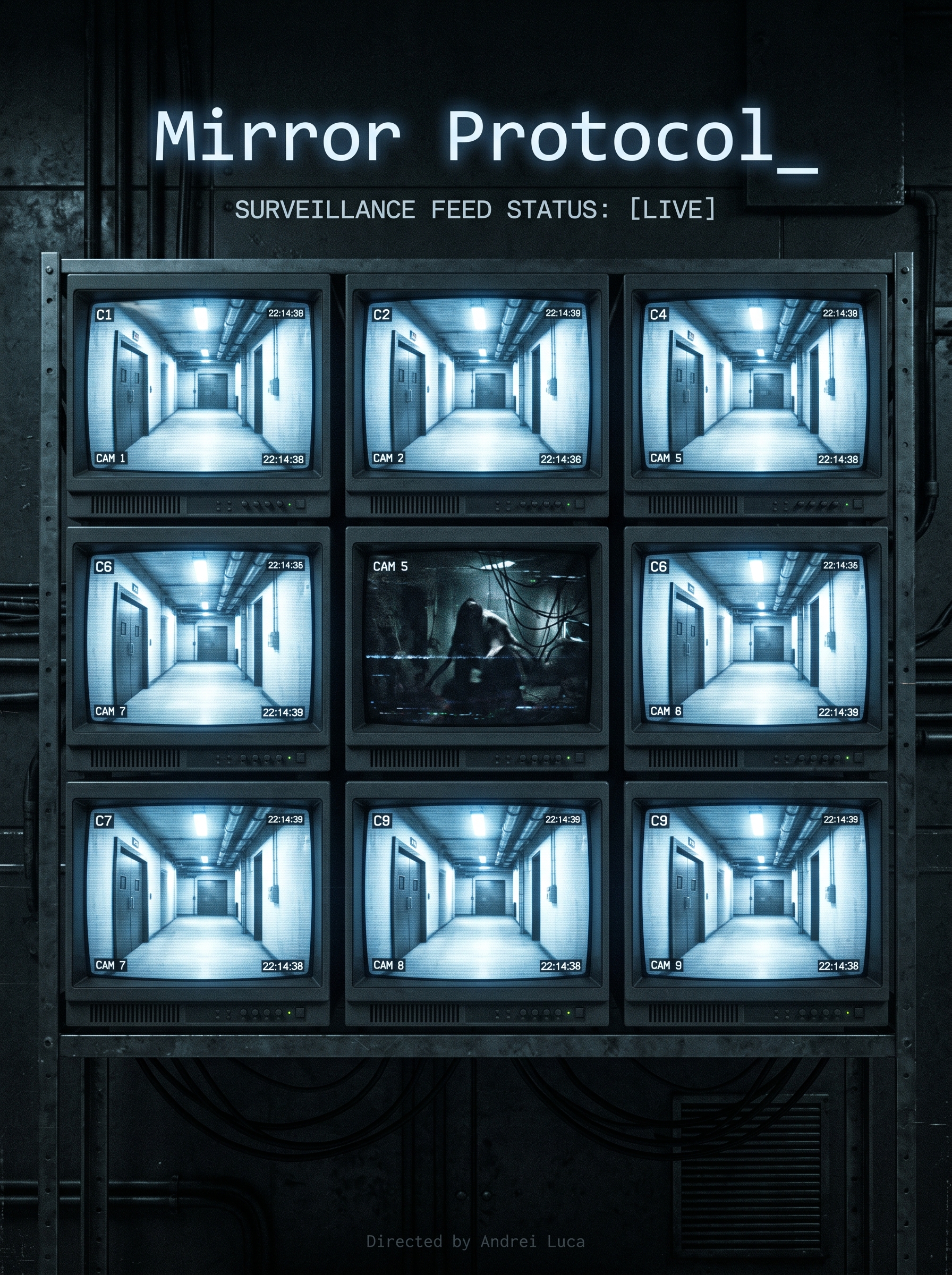
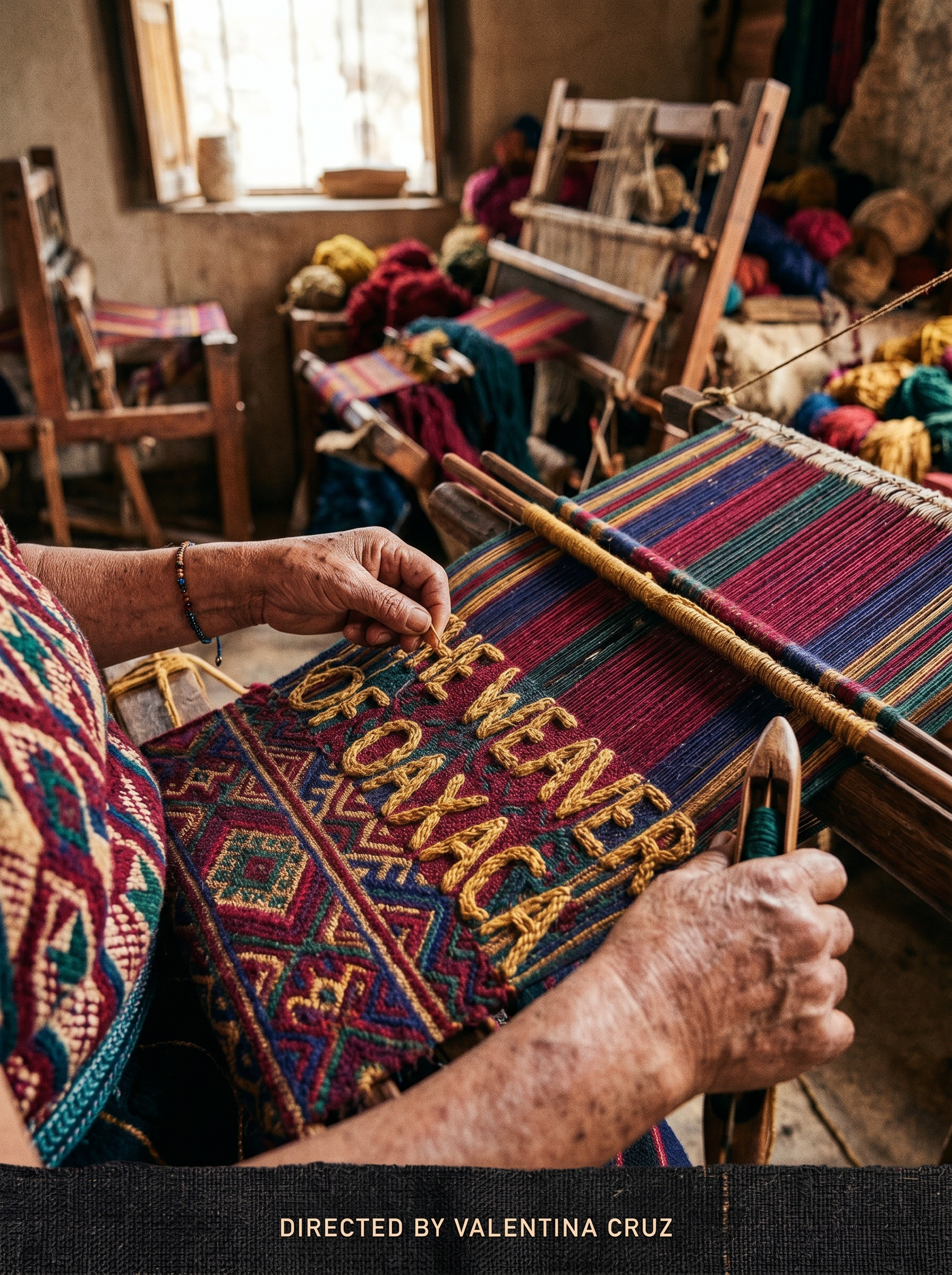
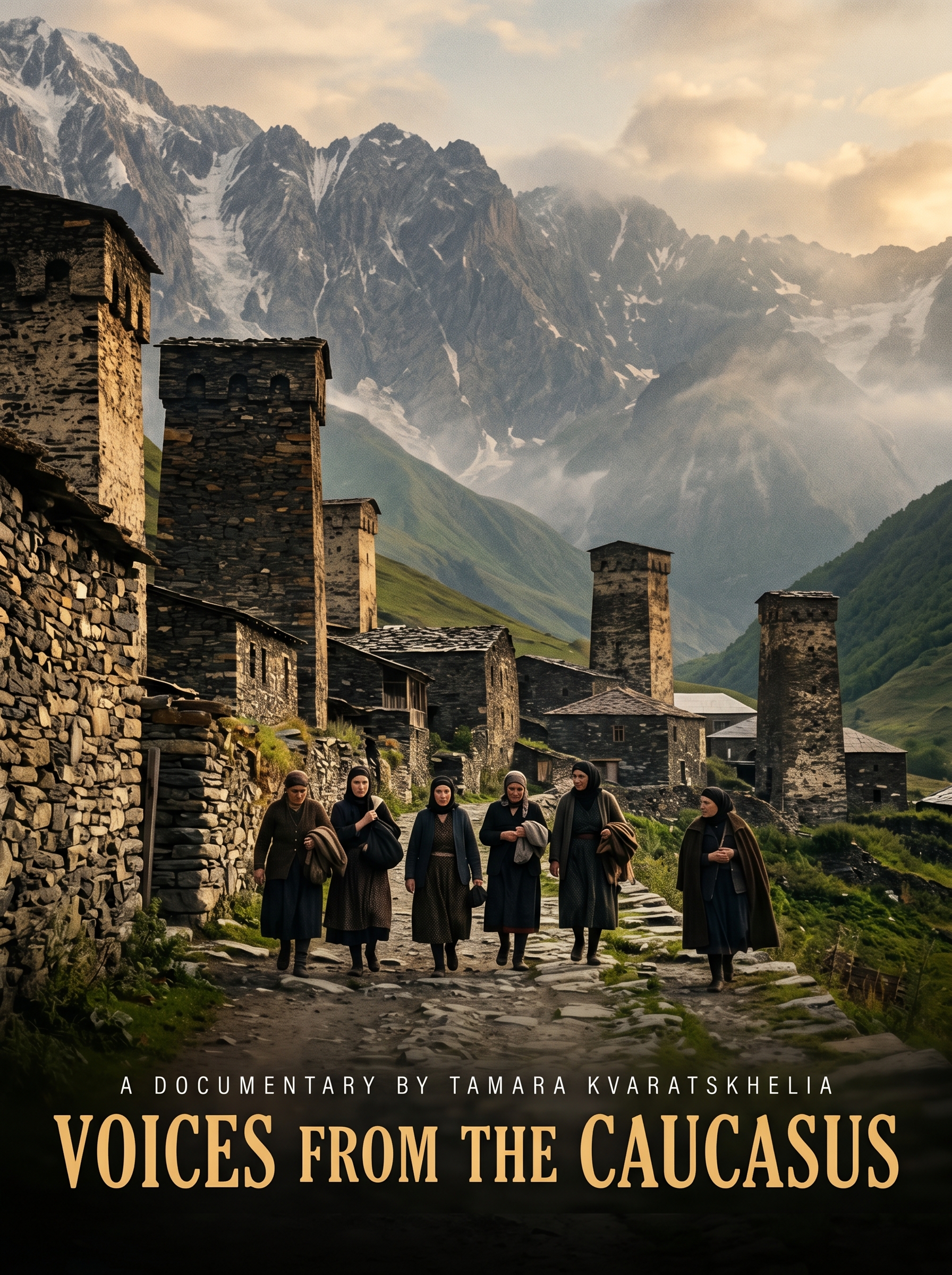
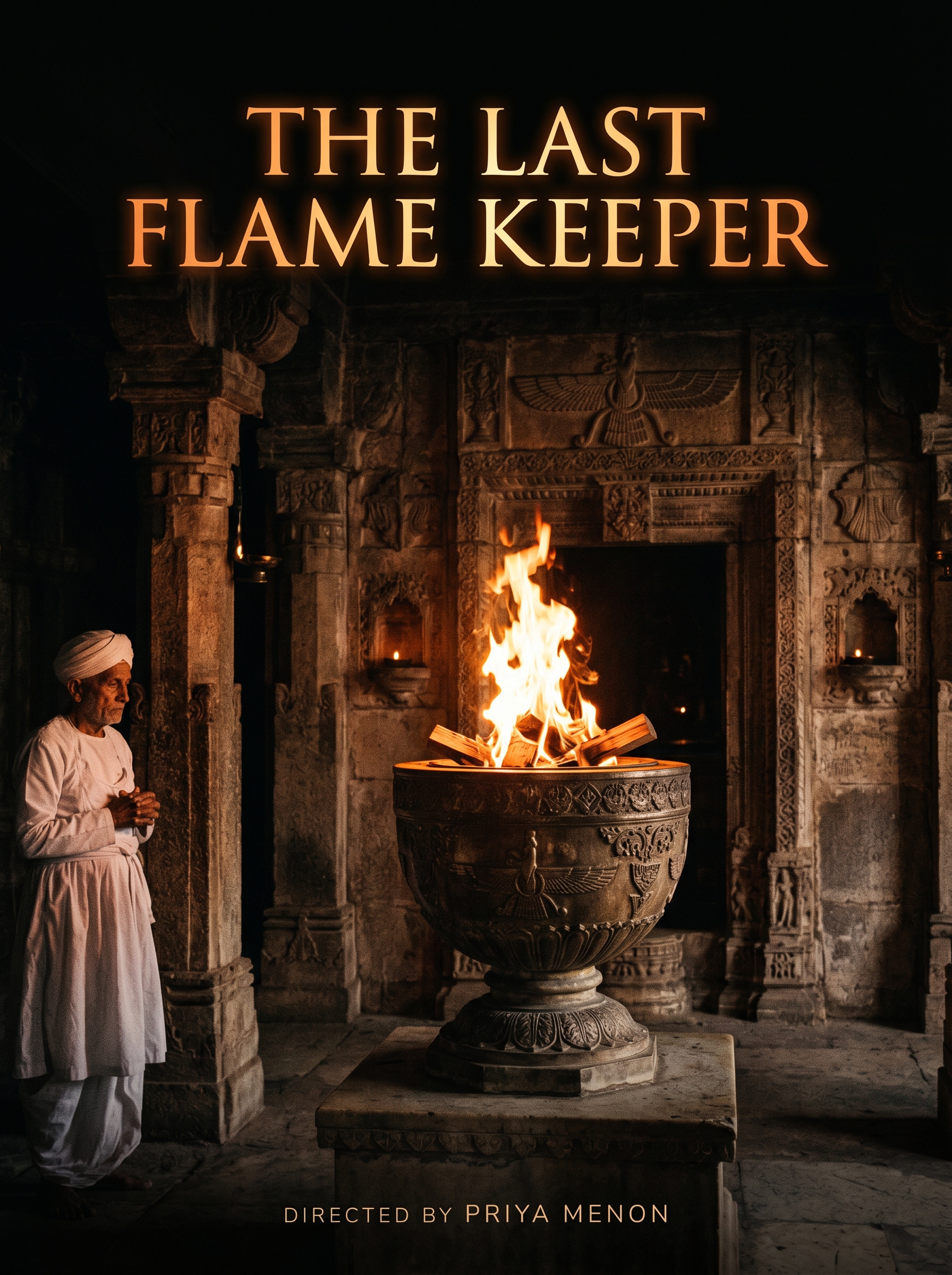
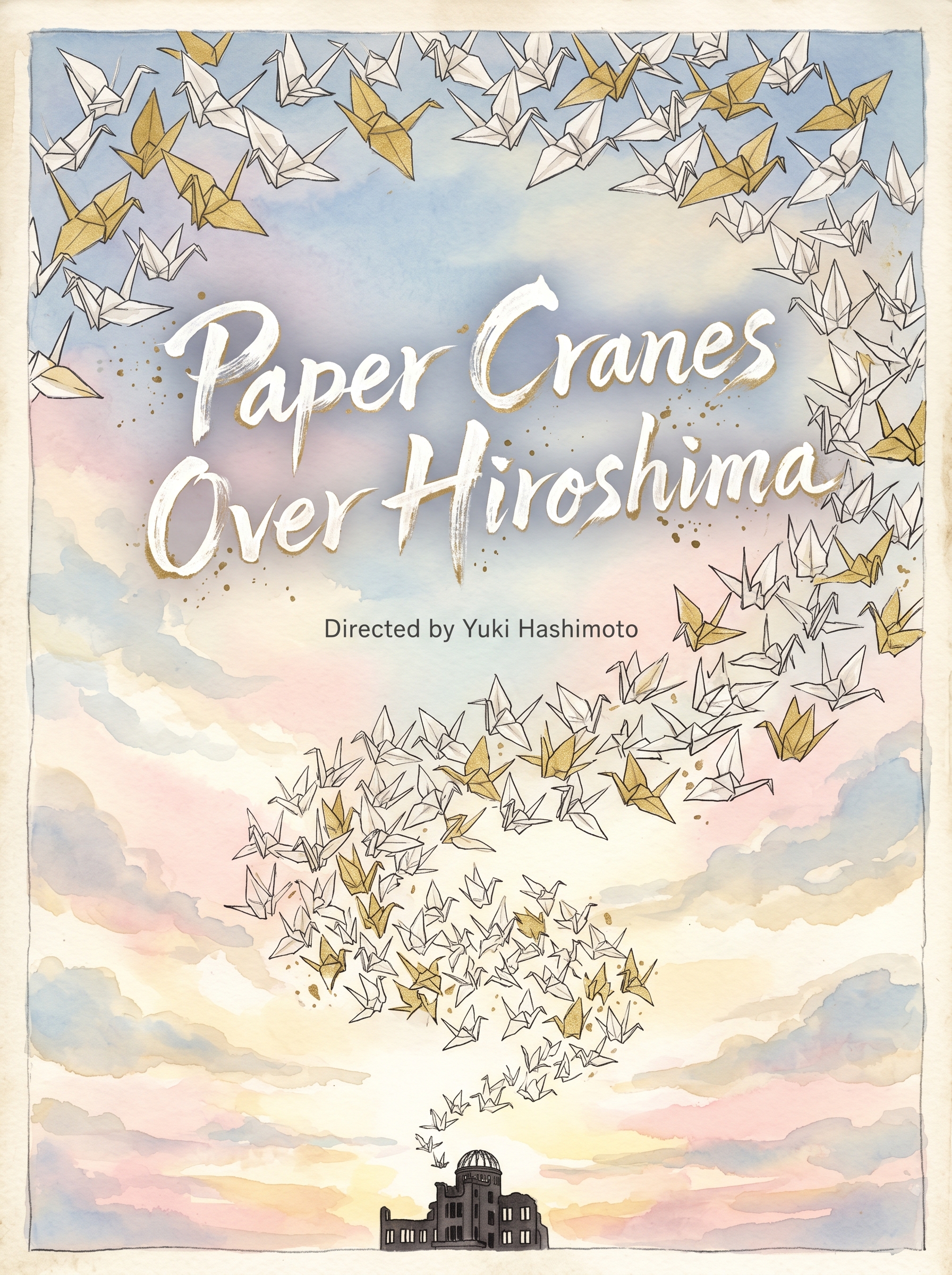
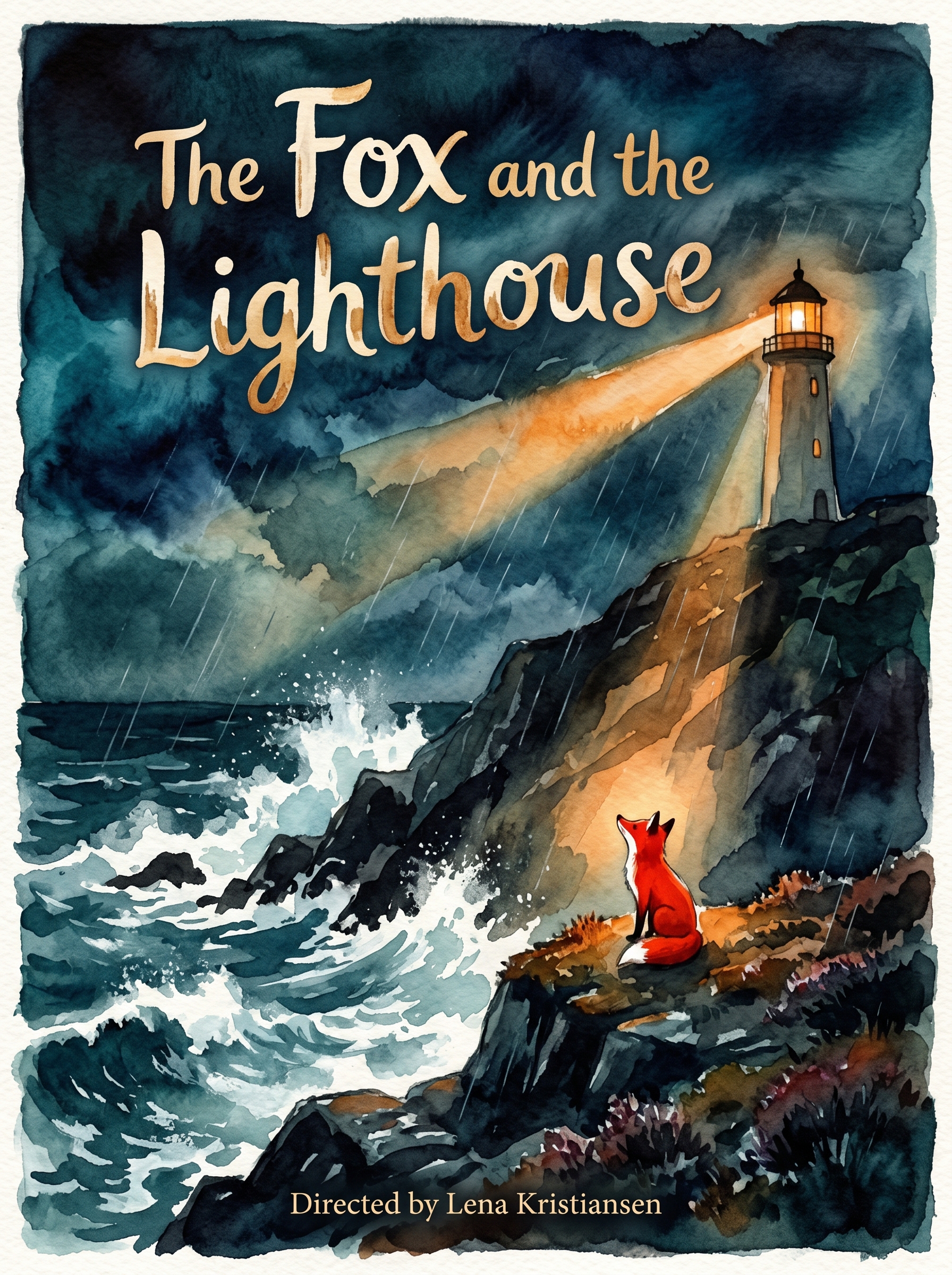
The eleventh edition drew 712 submissions from 58 countries, with screenings attracting over 8,400 audience members across six days. Jury president Martina Crespo led an international panel that awarded the Falcó d'Or to a Portuguese director in only her second feature, sparking wide critical attention across European distribution networks.
A landmark edition celebrating a decade of the festival, the tenth edition introduced the Ibiza Film Labs masterclass strand and welcomed a record 680 accredited industry guests. The Falcó d'Or went to a Senegalese-Belgian co-production that subsequently secured distribution across 23 territories.
The ninth edition placed African and Central Asian cinema at its heart, with an unprecedented six films from sub-Saharan Africa in competition. The winning film — a Burkinabé debut feature — went on to become the country's submission to the International Feature Film Academy Award.
Returning after a year's hiatus, the eighth edition carried a special electricity. The festival community — filmmakers, programmers, audiences — arrived with a hunger for cinema that two years of disruption had sharpened into something almost sacred. Ghanaian director Yaw Darko's debut feature took the Falcó d'Or in a ceremony that the press called the most emotional in the festival's history.
The seventh edition marked the festival's return to full programming capacity, with a bold selection that stretched from Zimbabwe to Tuva, prioritising voices that had been sidelined not just by the global disruption of the previous years but by decades of structural exclusion from international cinema circuits. A defiant and joyful edition.